Quick Answer
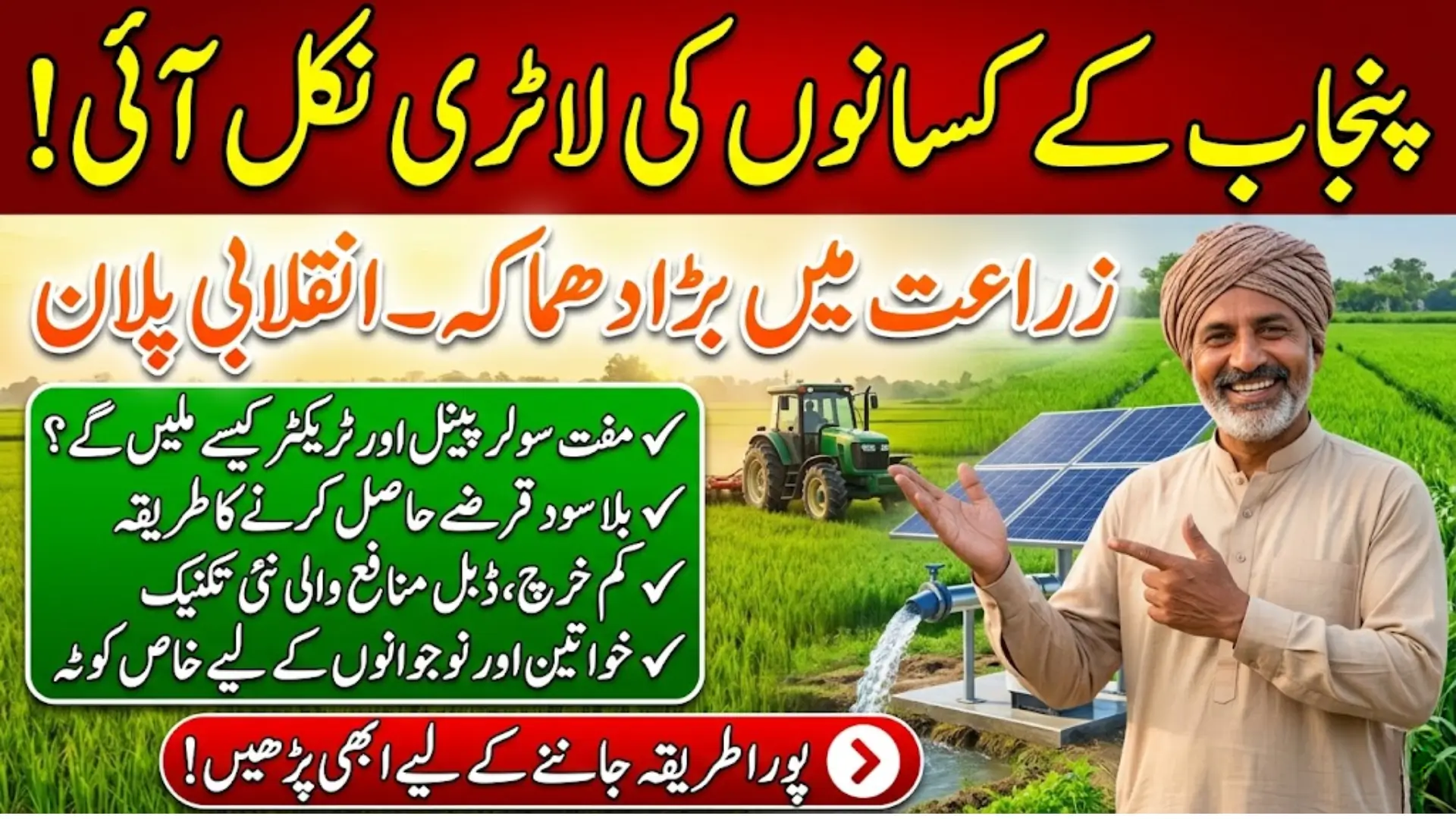
Punjab Agriculture Transformation Plan Brings New Opportunities for farmers by encouraging modern cultivation methods, efficient water management, renewable energy solutions, advanced farm equipment and better financial support. The initiative is designed to improve crop production, lower farming costs, strengthen climate resilience and expand access to government assistance for small landholders, women farmers, and young agricultural entrepreneurs.
Punjab Agriculture Transformation Plan Brings New Opportunities
Agriculture remains the foundation of Punjab rural economy, but changing weather patterns, rising production expenses, and water shortages have created serious challenges for farmers. The Punjab Agriculture Transformation Plan introduces a practical roadmap that encourages modern farming techniques while making agriculture more profitable and efficient. Instead of relying only on traditional cultivation methods, farmers are now being encouraged to adopt improved irrigation systems, renewable energy solutions, and advanced agricultural technologies that reduce production costs throughout the growing season.

The transformation plan also focuses on improving equal access to government programs for different farming communities. Young growers, women involved in agriculture, and small-scale landowners are expected to benefit from easier access to financial assistance, technical guidance, and modern equipment. These initiatives are intended to strengthen agricultural productivity while creating long-term stability for farming families across Punjab.
You Can Also Read: CM Maryam Nawaz Sharif Solar Panel Scheme Previous Registration
| Area | Key Benefit |
|---|---|
| Modern Farming | Improves productivity with advanced techniques. |
| Water Management | Saves water through efficient irrigation systems. |
| Solar Irrigation | Reduces fuel and electricity costs. |
| Farm Machinery | Provides access to modern agricultural equipment. |
| Digital Services | Offers farming guidance through technology. |
| Climate-Smart Farming | Helps protect crops from weather challenges. |
| Post-Harvest | Improves storage and reduces crop losses. |
| Farmer Support | Expands opportunities for small farmers, women, and youth. |
Climate Smart Agriculture for Better Crop Production
Modern agriculture depends on adapting to changing environmental conditions. Climate-smart farming encourages growers to use techniques that protect crops from extreme weather while improving overall land productivity. Better crop planning, improved irrigation practices, and efficient resource management help farmers reduce risks during difficult growing seasons.
Training programs also play an important role in helping farmers understand improved cultivation methods. Practical field demonstrations, modern crop management strategies, and updated pest control practices allow growers to increase yields while protecting soil quality. As a result, farms become more resilient and better prepared for future climate challenges.
You Can Also Read: IT and Telecom Ministry Budget Raised by 15.8% to Rs. 22.50 Billion in New Allocation Plan
Water Saving Solutions for Agriculture
Efficient water management has become one of the biggest priorities for Punjab agriculture. Water conservation projects are helping farmers make better use of available irrigation resources while reducing unnecessary water loss. Improved irrigation channels and upgraded water delivery systems allow more farmland to receive consistent water supplies.
Another important development is the promotion of modern irrigation technologies that deliver water directly to crop roots. These systems reduce wastage, improve moisture control, and help maintain healthy crop growth even during periods of limited water availability. Better irrigation management also supports sustainable farming for future generations.
High-Tech Farm Equipment Support
Access to advanced agricultural machinery is helping farmers complete important field operations more efficiently. Modern tractors, harvesting equipment, planting machines, and laser land levelers improve farm productivity while reducing labor requirements. Mechanized farming also allows growers to prepare land and harvest crops within shorter time periods.
Financial support programs make these technologies more accessible by reducing the burden of purchasing expensive equipment. Farmers who previously depended on outdated machinery now have opportunities to improve farm operations with advanced agricultural tools that increase efficiency throughout the production cycle.
You Can Also Read: Free Solar Scheme Registration Portal Reopen Know How to Apply
Punjab Agriculture Programs 2025-26
- Interest-free financing for approved agricultural machinery.
- Support for modern irrigation technologies.
- Renewable energy solutions for irrigation systems.
- Practical training for agriculture graduates.
- Improved research for crop development.
- Financial assistance for farm modernization.
Solar Irrigation Improves Farm Sustainability
The use of solar-powered irrigation is becoming an important part of agricultural development. Replacing conventional fuel-powered pumping systems with solar energy helps reduce irrigation expenses while providing farmers with a more reliable water supply. Lower operating costs allow growers to invest more resources into crop management and farm improvement.
Renewable energy also supports environmentally responsible farming practices. Farmers become less dependent on fluctuating fuel prices while benefiting from a cleaner source of energy that can operate throughout the growing season. Solar irrigation contributes to both economic savings and sustainable agricultural development.
Agricultural Research and Innovation
Research continues to shape the future of farming by introducing improved crop varieties, better production techniques, and practical farming innovations. Strengthening agricultural research allows experts to develop solutions that match local farming conditions while improving crop performance under different environmental situations.
Innovation also supports better communication between agricultural specialists and farmers. Extension services help transfer practical knowledge directly to rural communities, allowing growers to adopt improved farming methods more confidently. Continuous learning helps agriculture remain competitive in a rapidly changing environment.
You Can Also Read: Maryam Nawaz Cross Subsidy Electricity Bill Scheme Registration Portal Announced For Punjab
Digital Agriculture Services
Digital technology is making agricultural information easier to access than ever before. Farmers can receive timely guidance about crop management, irrigation scheduling, seasonal planning, and farming practices through digital advisory systems. These services reduce delays in receiving important agricultural information.
Technology also simplifies access to various government support programs by improving communication and administrative processes. Digital platforms encourage better record management while helping farmers stay informed about available agricultural opportunities throughout the year.
Key Benefits for Farmers
- Reduced irrigation expenses through renewable energy.
- Better crop productivity using advanced technologies.
- Improved access to financial support programs.
- Greater opportunities for women and young farmers.
- Stronger protection against climate-related challenges.
- Increased efficiency through modern machinery.
Post-Harvest Improvement Strategy
Successful farming does not end after harvesting. Proper storage, grading, transportation, and handling are equally important for protecting crop quality and increasing market value. Better post-harvest infrastructure helps reduce losses that often occur after crops leave the field.
Cold storage facilities and improved transportation systems allow farmers to preserve product quality for longer periods. Better market preparation also creates opportunities for stronger incomes by ensuring agricultural products reach buyers in better condition.
You Can Also Read: Punjab Government Announced 2026 Free Solar Scheme Registration
Inclusive Agriculture Development
Agricultural development becomes more successful when every farming community has equal opportunities to participate. The transformation plan encourages broader participation by supporting women farmers, young agricultural professionals, and smaller farming households through training and development initiatives.
Inclusive agricultural growth also strengthens rural economies by encouraging more people to adopt productive farming practices. Equal access to knowledge, financial support, and agricultural resources helps create balanced development throughout farming communities across Punjab.
Flood Resilience and Farm Recovery
Seasonal flooding continues to affect agricultural production in several areas. Recovery initiatives focus on helping affected farmers restore farming activities more quickly through practical assistance designed to rebuild agricultural operations after natural disasters Support measures also improve long-term resilience by strengthening irrigation infrastructure and encouraging better disaster preparedness. These improvements help reduce future risks while protecting agricultural productivity in vulnerable regions.
Modern Agriculture Support Highlights
- Water conservation through improved irrigation infrastructure.
- Crop protection using climate adaptation strategies.
- Farm mechanization for faster field operations.
- Digital advisory services for better decision making.
- Stronger agricultural research and innovation.
- Improved post-harvest management systems.
You Can Also Read: CM Punjab Free Solarization Scheme 2026 New Updates
Conclusion
Punjab Agriculture Transformation Plan represents an important step toward building a stronger agricultural sector based on efficiency, innovation, and sustainability. By combining improved irrigation, renewable energy, modern machinery, research, and inclusive development, the initiative creates practical opportunities for farmers to increase productivity while reducing long-term production costs.
As more growers adopt modern farming practices, Punjab’s agricultural landscape is expected to become more resilient against climate challenges and market uncertainties. Continued investment in technology, training, and farmer support will help create a competitive agricultural system capable of meeting future food production needs while improving the livelihoods of farming communities across the province.